

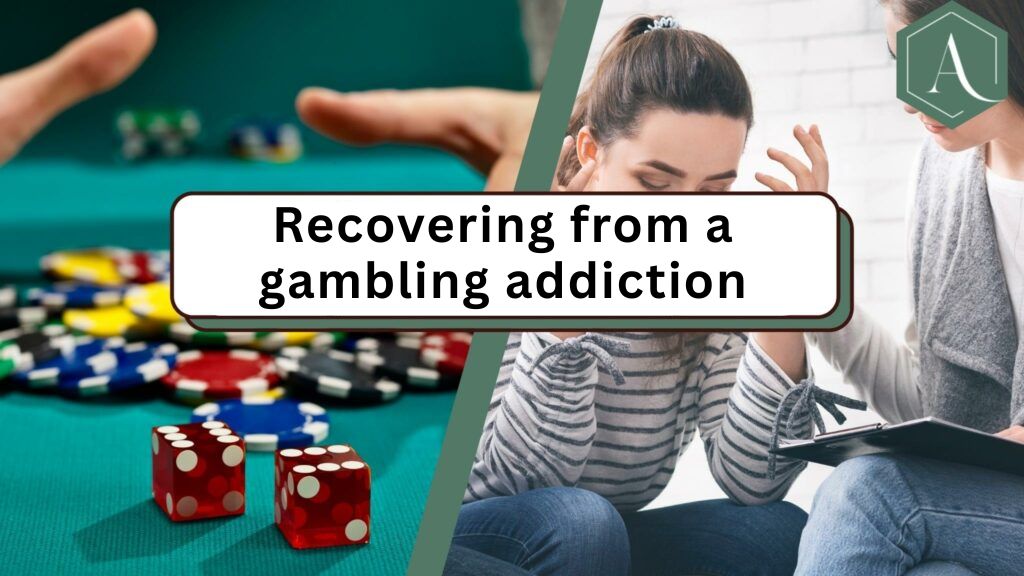
Recovering from gambling-related problems involves more than simply deciding to stop gambling. For many individuals, harmful gambling habits are connected to emotional stress, financial difficulties, impulsive decisions, or patterns of thinking that can be difficult to change alone. Professional therapy provides structured guidance to help people understand these behaviours and develop healthier ways of managing everyday challenges. As an important part of Gambling Recovery, psychological treatment can support lasting behavioural changes and improve overall well-being.
Understanding the Role of Cognitive Behavioural Therapy
Cognitive Behavioural Therapy (CBT) is one of the most widely researched approaches to treating gambling-related problems. It helps individuals recognise thoughts and beliefs that encourage harmful gambling behaviour.
For example, someone who repeatedly believes that another bet will recover previous losses may continue gambling despite financial difficulties. Through CBT, a therapist can help identify this pattern, examine the thinking behind it, and develop more realistic responses.
A 2023 systematic review published in the journal Addiction examined 29 studies involving 3,991 participants. The findings showed that CBT significantly reduced gambling disorder severity, gambling frequency, and gambling intensity immediately after treatment compared with control groups. However, the researchers noted that these benefits were not statistically significant at follow-up, highlighting the importance of continued support.
Recognising Emotional Triggers and Developing Better Habits
Therapy also helps people understand why they turn to gambling. Common triggers may include loneliness, anxiety, financial pressure, boredom, or difficult personal experiences.
Consider someone who regularly gambles after a stressful working day. During therapy, they may recognise that gambling has become a way of escaping uncomfortable emotions. A therapist can help them explore alternative activities, such as exercise, social interaction, or relaxation techniques.
Identifying these triggers makes it easier to respond differently when the urge to gamble appears.
Preventing Relapse Through Continued Support
Recovery does not always follow a straight path. Some individuals may experience setbacks even after making considerable progress. Relapse prevention strategies help them recognise warning signs and prepare for difficult situations.
Therapists may encourage clients to create practical recovery plans that include avoiding gambling triggers, managing access to money, maintaining daily routines, and contacting trusted support networks when urges become difficult to control.
Regular follow-up appointments can also help individuals review their progress and address new challenges.
The Importance of Group and Family Support
Individual counselling is not the only available option. Group therapy allows people to share experiences, learn from others, and reduce feelings of isolation. Family involvement can also help rebuild trust and improve communication after gambling has affected relationships.
A 2026 systematic review and network meta-analysis examined 52 randomised controlled trials involving 9,013 participants. Group CBT showed the strongest evidence for reducing gambling symptom severity, followed by individual CBT. The researchers also acknowledged limitations in the quality of some included studies.
Building a Sustainable Recovery Plan
Long-term progress often requires several forms of support working together. Therapy may be combined with financial counselling, peer-support groups, self-exclusion programmes, and practical spending controls. The right combination depends on each person’s circumstances and treatment needs.
Conclusion
Therapy supports long-term gambling recovery by helping individuals understand harmful behaviour, manage emotional triggers, and develop healthier decision-making habits. Research highlights the value of CBT, particularly when delivered in structured treatment settings. However, lasting progress also depends on continued support, relapse prevention, and personal commitment. By addressing both the psychological and practical effects of gambling-related problems, therapy can become an important foundation for meaningful Gambling Recovery.








Leave a Reply