
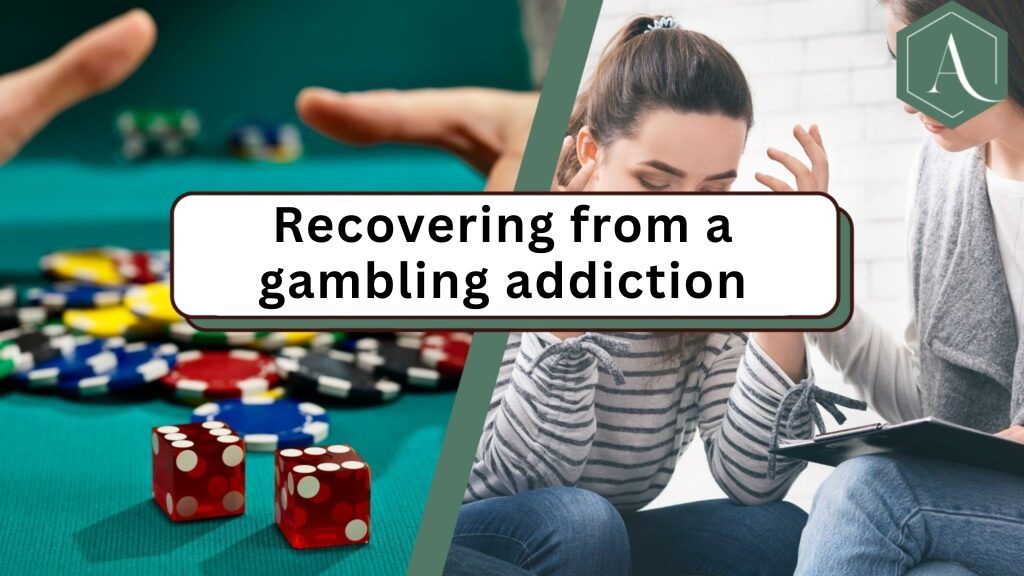
Gambling recovery is increasingly being discussed as a long-term process rather than a single decision to stop gambling. For people experiencing gambling-related harm, recovery can involve recognising the problem, seeking professional support, rebuilding financial stability, developing new routines, and maintaining progress over time.
Recent UK data highlights why access to recovery services matters. The Gambling Survey for Great Britain found that in 2025, 2.4% of adults had a Problem Gambling Severity Index (PGSI) score of 8 or more, with the Gambling Commission estimating that this represented around 1.3 million adults in Great Britain. Among people who had gambled during the previous 12 months, 4.0% scored 8 or more.
Recognising the Problem and Taking the First Step
The first stage of recovery is often recognising that gambling is creating problems. This can involve financial difficulties, arguments with family members, stress, secrecy, or repeatedly trying to recover previous losses.
Recent NHS England data shows that gambling harm can overlap with other areas of life. In England’s 2023/24 Adult Psychiatric Morbidity Survey, 1.6% of adults experienced at least moderate-risk gambling, measured as a PGSI score of 3 or more. The report also found links between gambling risk, problem debt, and mental health difficulties.
Acknowledging the problem does not necessarily mean someone has to manage recovery alone. NHS guidance says specialist gambling treatment clinics can provide assessment, therapy, recovery support, and help for related health needs.
Treatment and Building New Habits
The next stage usually focuses on understanding gambling behaviour and developing practical ways to change it. Professional treatment can include psychological therapies, counselling, peer support, and tools that reduce access to gambling.
For example, NHS gambling services may use cognitive behavioural therapy (CBT) to help people understand triggers and develop alternative coping strategies. The NHS Northern Gambling Service says its treatment pathway includes assessment followed by CBT delivered individually or in groups, alongside work on coping skills and replacing gambling time with meaningful activities.
Financial recovery can also become an important part of rehabilitation. Creating a realistic budget, addressing debts, and involving a trusted person in financial decisions can help reduce some of the pressures that may contribute to continued gambling.
Maintaining Recovery Over the Long Term
Recovery does not necessarily end when formal treatment finishes. The final stage involves maintaining new routines and recognising situations that could increase the risk of returning to gambling.
This is one reason aftercare and continuing support are important. NHS England states that its Gambling Harms Treatment Programme covers the treatment pathway from referral and triage through to aftercare and support. From April 2026, NHS England took commissioning responsibility for gambling-harm treatment in England, funded through the statutory gambling levy.
The latest figures also show that people experiencing gambling harm do seek help, although many do not. In the 2025 Gambling Survey for Great Britain, 3.4% of people who had gambled in the previous 12 months said they had sought support because of their own gambling. Among people with a PGSI score of 8 or more, that figure rose to 47.3%.
Gambling recovery can therefore involve several connected stages: recognising harm, seeking assessment, receiving treatment, rebuilding daily and financial routines, and maintaining progress through ongoing support. The growing focus on specialist services and aftercare in the UK shows that rehabilitation is increasingly being treated as a continuing process rather than a one-time intervention.








Leave a Reply