

Free spins can look harmless. A player may see an offer promising 20, 50, or even 100 free spins and think there is little to lose because the spins are described as promotional. But for someone trying to step away from gambling, these offers can create a very different experience.
The difficult part is often not the value of the free spins themselves. It is what happens after someone starts playing again. A few promotional spins can turn into additional deposits, longer sessions, or the familiar feeling of trying to win back money that was previously lost.
How a Free Offer Can Become a Trigger
Imagine someone who has spent several weeks avoiding gambling. They have removed gambling apps, stopped visiting casino websites, and started getting their finances under control. Then an email arrives offering BitStarz 50 Free Spins Bonus Code: VIPSPIN50.
At first, opening the offer may seem like a small decision. There is no immediate deposit, and the promotion may even feel like something being given away. After a few spins, however, the player may become interested in the results.
This is where promotional play can become difficult during recovery. The person may decide to make a small deposit to continue playing after the free spins end. That deposit can then lead to another one.
The experience can quickly move away from the original idea of “just using free spins.” For someone already dealing with gambling-related harm, that change can be important to recognise.
The Conditions Behind Promotional Offers Matter
Free spins also come with conditions. Some promotions require players to wager winnings a certain number of times before making a withdrawal. Others may have expiry dates, maximum withdrawal limits, or restrictions on which games qualify.
From a recovery perspective, the bigger concern may not be whether a particular promotion is financially good or bad. The question is whether interacting with the promotion makes gambling harder to control.
That distinction can be easy to miss when the focus is on the word “free.”
What Recovery Can Teach About Promotional Play
One practical lesson from recovery is that identifying triggers can be just as important as avoiding gambling itself. Promotional emails, casino advertisements, social-media content, and bonus notifications can all act as reminders of previous gambling habits.
For someone trying to maintain distance from gambling, removing these reminders can make everyday life easier. Unsubscribing from promotional emails, turning off notifications, blocking gambling websites, and using available self-exclusion tools are practical steps that can reduce opportunities to return to gambling.
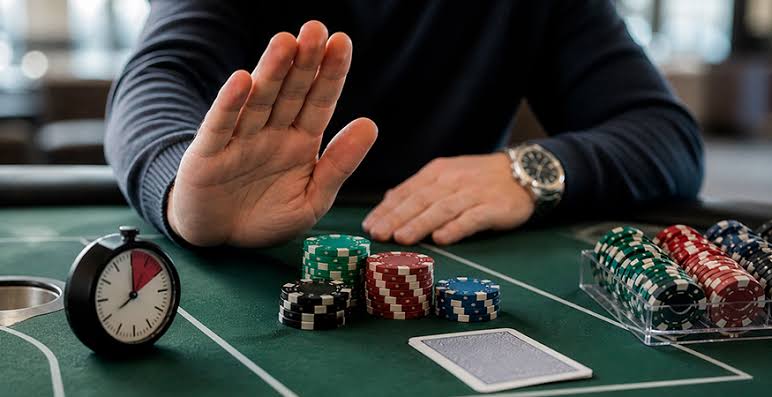
It can also help to have a plan for the moment an offer appears. Instead of deciding whether to accept it while looking at the promotion, a person can simply close the message and move on to another activity.
Recovery Is About More Than Saying No
Gambling recovery is not simply about resisting one particular offer. It is about building routines that make gambling less central to everyday life.
For someone who has struggled with gambling, a free-spin promotion may seem small, but the chain of decisions that follows can be much bigger. Recognising that possibility does not mean every person will react to a promotion in the same way. It means understanding personal triggers and taking them seriously.
A free-spin message can be deleted in seconds. For someone working through gambling recovery, making that simple choice can sometimes be an important part of protecting the progress they have already made.








Leave a Reply