
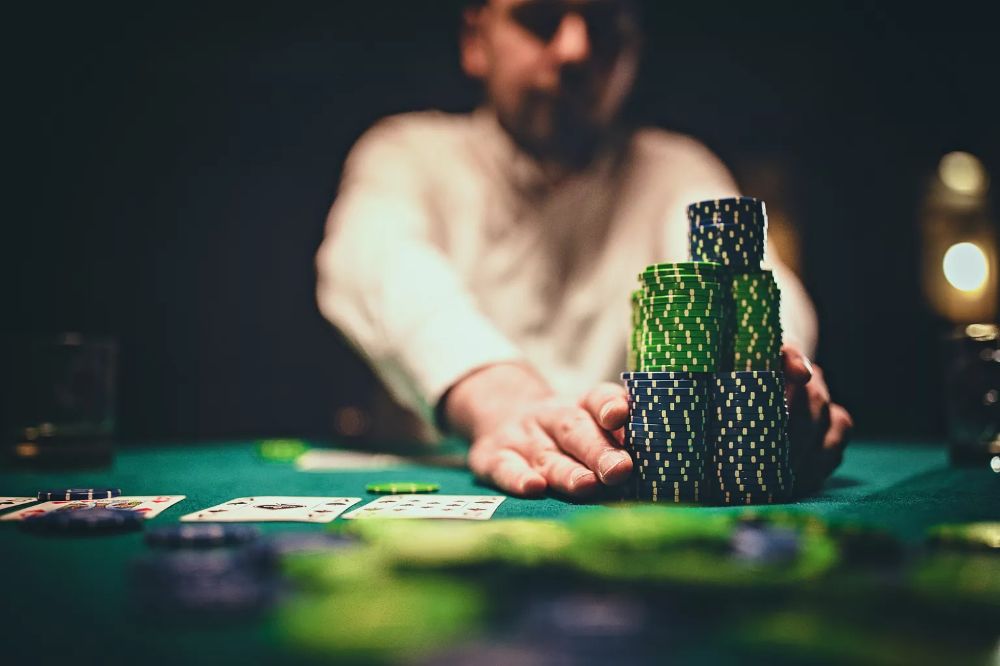
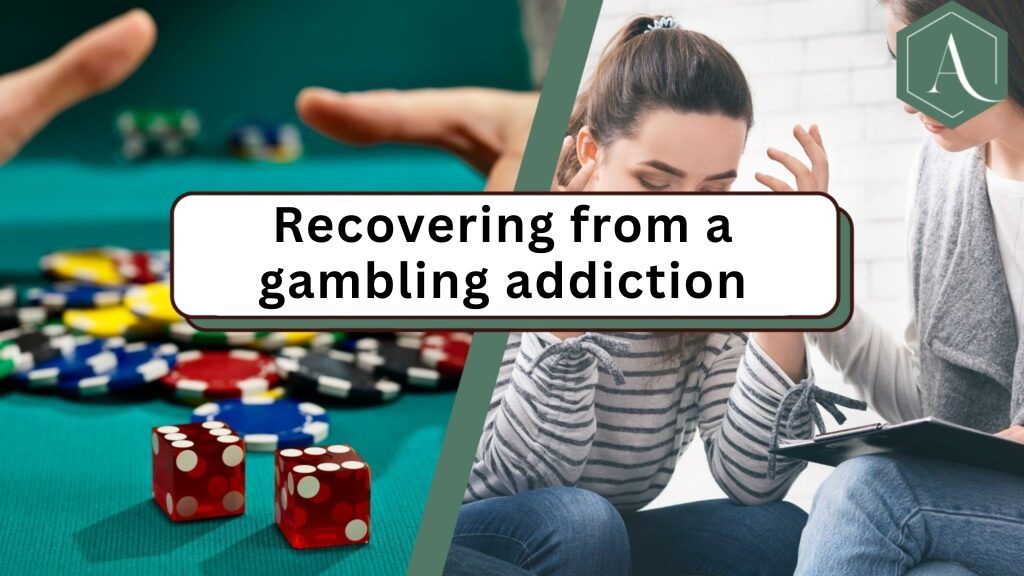
Gambling recovery is the process of rebuilding your life after gambling has started taking more from you than it gives back. It is not simply about staying away from betting for a few days. Real recovery means getting your time, money, relationships, routines, and peace of mind back under your control.
Treatment services describe recovery as an ongoing journey that can include professional support, therapy, aftercare, and connection with other people who understand the experience.
Recovery Starts With a Clear Decision
The first practical part of recovery is making an honest decision to stop gambling and start dealing with what gambling has disrupted. This can be uncomfortable because it may mean facing unpaid bills, damaged trust, missed responsibilities, or money that cannot be recovered.
The street-smart approach is simple: stop trying to fix yesterday’s losses with tomorrow’s bets. Write down what needs fixing, deal with one problem at a time, and focus on what you can control today. Recovery is about moving forward rather than chasing a way back to the past.
Build Distance From Gambling
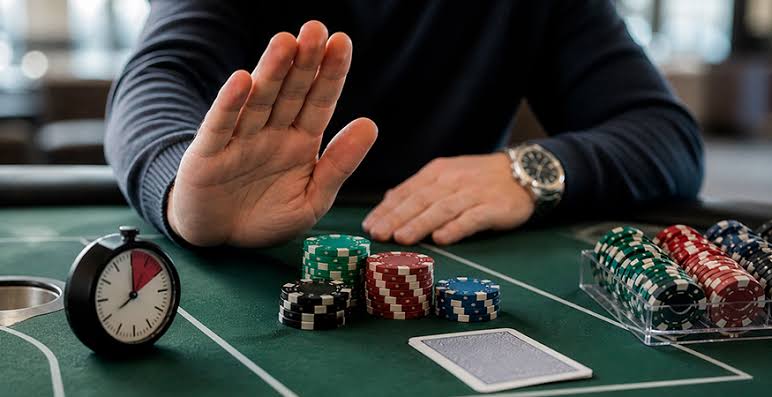
Recovery becomes much easier when gambling is no longer sitting within arm’s reach. That can mean removing gambling apps, blocking gambling websites, asking your bank about gambling-payment restrictions, and changing routines that regularly put you around gambling opportunities.
The NHS specifically recommends tools such as blocking software, gambling-payment blocks, paying essential bills automatically, and avoiding situations that make gambling easier. The practical lesson is to make the safer choice the easier choice.
Repair the Damage Step by Step
Financial and personal damage rarely disappears overnight, so recovery requires patience and honest action. Start by listing debts, essential expenses, and overdue responsibilities without hiding the numbers from yourself. Then create a basic repayment plan and keep gambling money completely separate from household money. Relationships may also need rebuilding.
Instead of making big promises, show change through consistent actions: answer questions honestly, keep commitments, and accept that trust may take time to return. Recovery programs such as Gamblers Anonymous also place attention on reviewing financial and personal damage and making appropriate amends.
Learn How to Handle Urges
An urge to gamble does not mean recovery has failed. It means you have reached a moment when your old pattern is asking for attention. The useful move is to have a plan before that moment arrives.
Delay the decision, leave the triggering environment, contact someone you trust, go for a walk, exercise, or switch immediately to an activity that keeps your hands and mind busy. Do not negotiate with the urge by saying, “I will only bet a little.” Recovery gets stronger when you learn to let an urge pass without acting on it.
Get Support Instead of Going It Alone
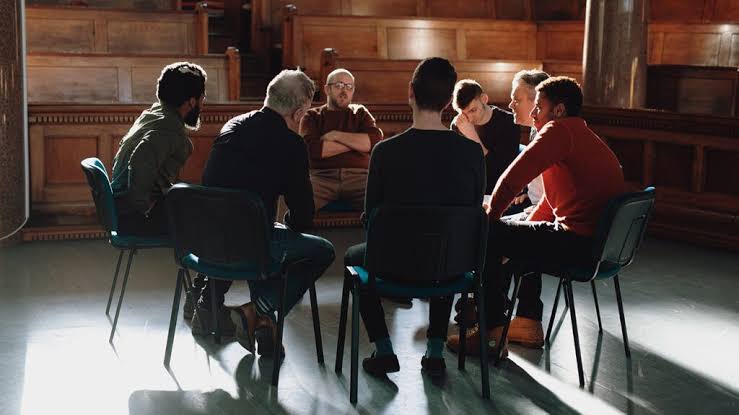
You do not have to figure everything out by yourself. Professional treatment, peer-support groups, counselling, and trusted people can all become part of a recovery plan.
Gamblers Anonymous, for example, offers in-person, virtual, and telephone meetings, while specialist treatment services can provide structured support and therapy. Asking for help is not a sign that you have lost control. It is a practical way of getting more control back.
Recovery Is About Building a Different Routine
Long-term recovery is ultimately about creating a life where gambling no longer fills the gaps. Replace gambling time with useful routines, hobbies, exercise, work, family activities, learning, or social connections. Keep track of small wins such as another gambling-free day, a bill paid, money saved, or a difficult urge handled without betting. You do not need to rebuild everything in one shot. Recovery is the steady process of making better decisions repeatedly until a healthier life becomes your normal.







Leave a Reply