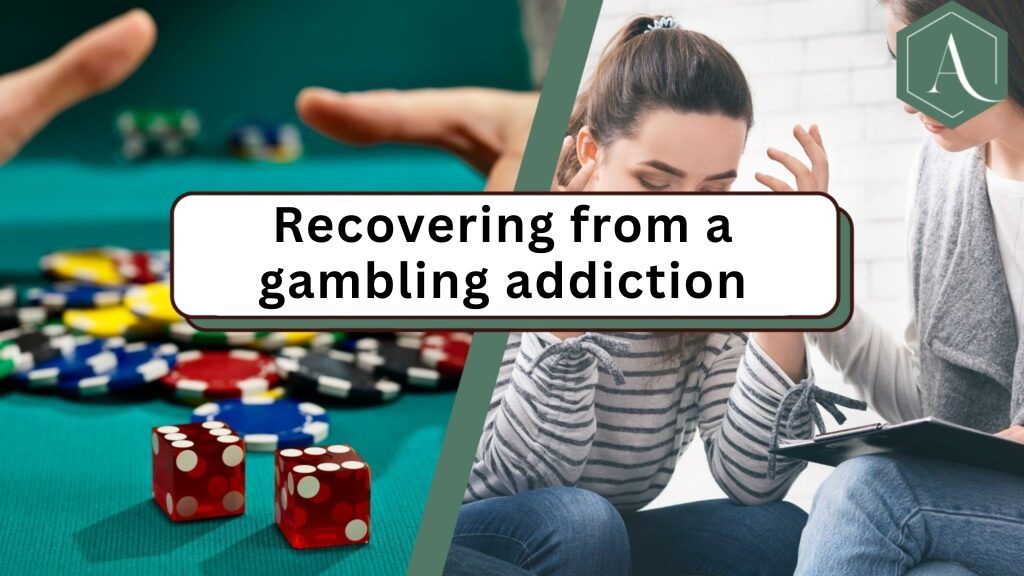
Long-term gambling recovery is not simply about reaching a certain number of gambling-free days. Research increasingly looks at recovery as a broader process in which people rebuild routines, relationships, confidence, financial stability, and a sense of control. A systematic review of 34 gambling-treatment studies found that researchers were measuring much more than gambling behavior alone, including psychological wellbeing and everyday functioning. This suggests that meaningful recovery is bigger than one simple measurement.
Recovery Is a Long-Term Process
One useful idea in current research is recovery capital. In plain language, this means the personal and practical resources that help someone maintain recovery. These can include supportive people, stable living conditions, healthier routines, financial structure, useful coping skills, and motivation to keep moving forward. A study of 140 people with a lifetime history of gambling disorder found that recovery capital was significantly associated with improvement in gambling-disorder symptoms, even after other factors were considered.
A Stable Life Supports Stable Recovery
This research has a very practical message: recovery becomes easier to protect when everyday life becomes more stable. A person may stop gambling but still face debt, isolation, stressful relationships, unstructured time, or environments that repeatedly pull them toward old habits. Research involving 133 people with lifetime gambling disorder identified financial distress, stressful life events, social conflict, gambling-friendly environments, urges, and lack of motivation among the barriers that can interfere with recovery.
That means long-term recovery work should include practical rebuilding. Creating a predictable daily routine, repairing important relationships, organizing finances, finding activities that provide purpose, and staying connected with supportive people can all help create a stronger foundation. These are not side issues. They are part of the environment in which recovery has to survive.
Progress Does Not Always Look Perfect
Research also challenges the idea that recovery can be judged only by a simple yes-or-no question about gambling. In a 12-month follow-up study of 270 people who completed inpatient treatment, 41.6% maintained full abstinence, while 29.2% continued gambling but no longer met criteria for gambling disorder. The study also found improvements in functional impairment across the groups.
This does not mean continued gambling should automatically be considered recovery. Instead, it shows why researchers look at several dimensions when studying long-term outcomes. Recovery can involve changes in functioning, wellbeing, behavior, relationships, and personal stability.
Building Recovery That Can Last
The practical lesson from the research is straightforward: do not build recovery around one target alone. Build a life that supports the recovery you want to maintain. That can mean keeping supportive contacts close, dealing with financial problems rather than avoiding them, developing useful routines, and recognizing situations that weaken your stability.
A 2025 NICE evidence review also highlights the importance of building recovery capital through ongoing support, including emotional support, peer support, mentoring, and practical financial help when appropriate.
Long-term recovery is therefore less about declaring the problem finished and more about continuing to strengthen the life around it. Research is still developing, but one message is becoming clearer: sustainable recovery is supported by resources, relationships, stability, and practical changes that make a healthier life easier to maintain.