
Recovering from gambling related harm is rarely just a matter of stopping gambling. For many people, rebuilding finances, relationships, routines, and confidence takes time. Support networks can become an important part of that process, and recent figures show that demand for gambling related support remains substantial.
The World Health Organization estimates that around 1.2% of the world’s adult population has a gambling disorder. It also notes that only an estimated 0.14% of the population seeks formal or informal help for current gambling problems. This large difference highlights one of the major challenges in rehabilitation: many people experiencing serious harm do not reach support services.
Family Support Can Make a Difference
Family members and close friends are often among the first people to notice changes in someone’s gambling behavior. Financial problems, secrecy, arguments, or changes in daily routines can affect the wider household, meaning recovery is not necessarily an individual issue.
Research has also examined whether involving a concerned family member in treatment can affect outcomes. One study involving 675 men receiving cognitive behavioral therapy found that patients whose concerned significant others participated in treatment had higher treatment attendance and lower dropout rates than those receiving treatment without this involvement. Participants whose spouses were involved also showed lower relapse rates in the study.
These findings do not mean that family involvement guarantees recovery. Instead, they suggest that supportive relationships can be useful alongside structured treatment.
Peer Support Provides Another Layer
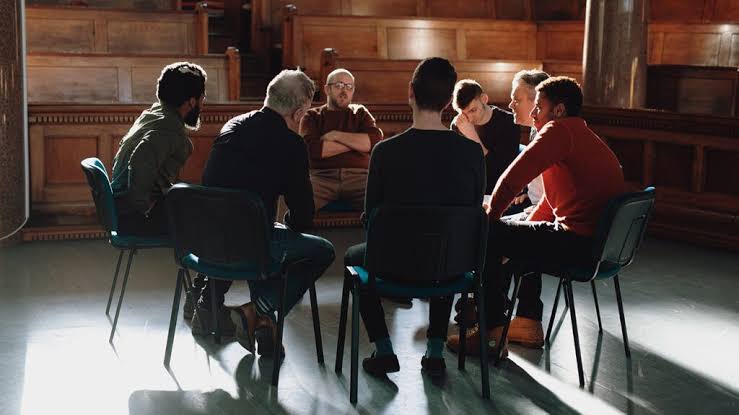
People recovering from gambling problems may also benefit from speaking with others who have experienced similar difficulties. Peer support can provide a setting where people discuss setbacks, practical challenges, and progress without having to explain every part of their experience.
A population survey involving 2,038 respondents found that 50% said they would primarily recommend an independent peer support group when someone needed help for gambling disorder. Among respondents who met criteria for lifetime problem gambling, 47% selected peer support as their primary recommendation.
The figures indicate that peer based support is recognized as one potential route into recovery, although it should not be treated as a replacement for professional care when clinical treatment is needed.
Demand for Support Services Is Rising
Recent UK figures provide another indication of how many people are seeking help. GamCare reported more than 114,000 contacts through its National Gambling Helpline and online services between April 2025 and March 2026. During the same period, the organization made more than 11,400 onward referrals into treatment and delivered over 10,300 treatment sessions for 2,811 clients. Nearly 97% of people completing treatment reported a positive change in their circumstances.
Financial support is also becoming an important part of recovery. GamCare reported that 1,954 people sought financial guidance through its Money Guidance Service in 2025, compared with 923 in 2024, representing a 112% increase.
Recovery Works Across Several Areas
The statistics suggest that rehabilitation is broader than simply reducing gambling activity. Emotional support, professional treatment, peer relationships, and financial guidance can address different parts of the problem.
Support networks therefore have a practical role in helping people remain connected during recovery. When combined with appropriate treatment and financial assistance, they can provide additional structure during a period when maintaining progress may otherwise be difficult. The evidence does not suggest that one type of support works for everyone, but it does show why recovery programs increasingly consider the wider social environment surrounding the individual.







Leave a Reply