

Recovery from gambling-related problems is rarely just about making a personal decision and moving forward. The practical side of recovery often involves rebuilding routines, repairing trust, handling difficult emotions, and learning how to respond when gambling urges appear.
Support can make these steps easier to manage because a person does not have to work through every difficult moment alone. Research has found that stronger social support is associated with better gambling treatment outcomes, including fewer gambling-related problems after treatment.
Support Creates Accountability
One useful role of support is accountability. During recovery, it can be easy to convince yourself that one small decision will not matter. A trusted person can provide a reality check before that decision turns into a setback.
This does not mean having someone monitor every move or make choices on your behalf. It means having a person you can contact when things become difficult. A simple message such as “I am having a rough day” can interrupt the habit of keeping everything inside. The most useful support is honest without being judgmental, because shame can make people withdraw just when connection is most needed.
Support Helps Rebuild Everyday Life
Recovery also means creating a life that is not organized around gambling. Family members, friends, counselors, and peer groups can help a person rebuild ordinary routines and spend time on healthier activities. This might mean having dinner with family, exercising with a friend, returning to work goals, or joining a recovery meeting regularly.
These activities may sound basic, but consistency matters. A 2024 study involving 60 people with gambling problems found that social support was associated with better quality of life, while feelings of belonging and Gamblers Anonymous membership were associated with lower gambling urges.
Peer Support Can Reduce the Feeling of Being Alone
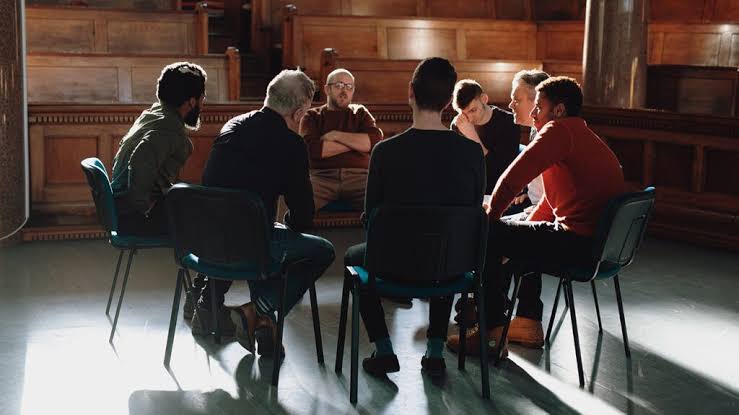
There is another type of support that can be especially useful: people who have experienced similar struggles. Talking with someone who understands recovery from the inside can feel different from talking with someone who has never faced gambling problems. Peer groups can provide practical ideas, encouragement, and a place to discuss setbacks without having to explain every detail.
New research published in 2026 found that people with lived experience and service providers described online peer support as a potential source of connection, accessibility, and crisis prevention, while also noting that support spaces need to be safe and well managed.
Asking for the Right Kind of Help
Not every person needs the same type of support. Someone struggling with relationships may benefit from family involvement, while another person may need professional counseling or a peer recovery group. The practical move is to identify what is making recovery difficult right now and ask for help with that specific problem. If urges are difficult to manage, a counselor or recovery group may be useful.
If isolation is the bigger problem, regular contact with supportive people may be more important. Recovery support works best when it fits the person’s actual situation rather than following a one-size-fits-all formula.
Recovery Is Easier With Connection
Support does not replace personal effort, but it can strengthen it. Research on gambling recovery increasingly points toward the importance of social connection, support, and belonging.
The practical lesson is straightforward: build a small network of people who can listen, encourage progress, and stay present during difficult periods. Recovery becomes more manageable when reaching out for help is treated as part of the process rather than as a sign of weakness.








Leave a Reply