

Gambling recovery is not simply about deciding to stop placing bets. It is a practical process of rebuilding control, changing routines, dealing with urges, and repairing parts of life that may have been pushed aside. For many people, recovery starts when they stop trying to solve everything at once and begin working on one problem at a time.
The first useful step is often getting a clear picture of what gambling has changed in daily life, including time, money, relationships, sleep, work, and emotional well-being. This gives recovery a real starting point rather than a vague promise to “do better.”
Learning What Triggers Gambling
A major part of recovery is understanding the situations that create an urge to gamble. Triggers can be surprisingly ordinary: receiving a salary, feeling bored after work, arguing with someone, being alone at night, seeing gambling-related content online, or wanting quick relief after a difficult day.
Recovery involves noticing these patterns before they turn into action. Keeping a simple trigger diary can help. Write down what happened, what you felt, what you wanted to do, and what you did instead. Over time, this can reveal patterns that are difficult to see when everything is happening in the moment.
Rebuilding Daily Routines
Recovery also means replacing gambling time with activities that actually fill the gap it leaves behind. This might mean exercising, meeting friends, returning to hobbies, preparing meals, studying, working on a project, or simply creating a more structured evening routine.
The practical point is to avoid leaving a large empty space where gambling used to be. A recovery plan works better when it gives a person something concrete to do during the hours when urges are strongest.
Getting Professional Support
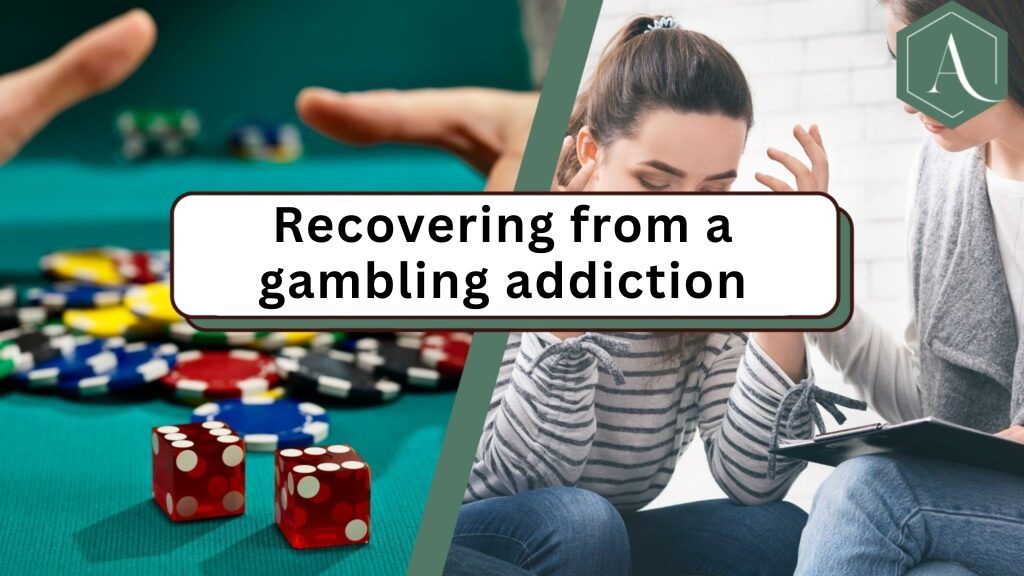
Some people recover with structured support from a qualified mental health professional, particularly when gambling has become difficult to control alone. Cognitive behavioral therapy (CBT) is one of the better-studied psychological approaches for gambling-related problems.
A 2023 meta-analysis covering 29 studies and 3,991 participants found that CBT techniques reduced gambling disorder severity, gambling frequency, and gambling intensity immediately after treatment, although the researchers also noted that results varied between studies and that longer-term effects were less certain.
Measuring Progress Beyond Gambling
Recovery is bigger than counting gambling-free days. A person may also need to rebuild confidence, improve relationships, manage stress, restore financial routines, and develop a healthier daily life.
Research supports this broader view. A systematic review and meta-analysis found that cognitive behavioral approaches were associated with improvements in anxiety, depression, and quality of life after treatment. This means progress can show up in ordinary life: sleeping better, communicating more honestly, paying bills on time, concentrating at work, or enjoying activities that have nothing to do with gambling.
Handling Setbacks Without Giving Up
Recovery is rarely perfectly straight. A setback should be treated as information, not as proof that recovery has failed. The useful response is to identify what happened before the lapse, remove the immediate risk where possible, and reconnect with support quickly. Research also shows why persistence matters: a meta-analysis of 24 treatment studies involving 2,791 participants found an overall weighted treatment dropout rate of about 39%. Staying engaged with recovery can therefore be an important part of the process itself.
Ultimately, gambling recovery is about building a life in which gambling no longer controls the person’s time, choices, emotions, or priorities. The work happens through small practical decisions repeated over time: recognizing triggers, changing routines, accepting support, tracking progress, and responding constructively when things do not go perfectly.









Leave a Reply